6 hr 30 min
Moray Terraces, Maras Salt Mines & Chinchero Weaving Experience
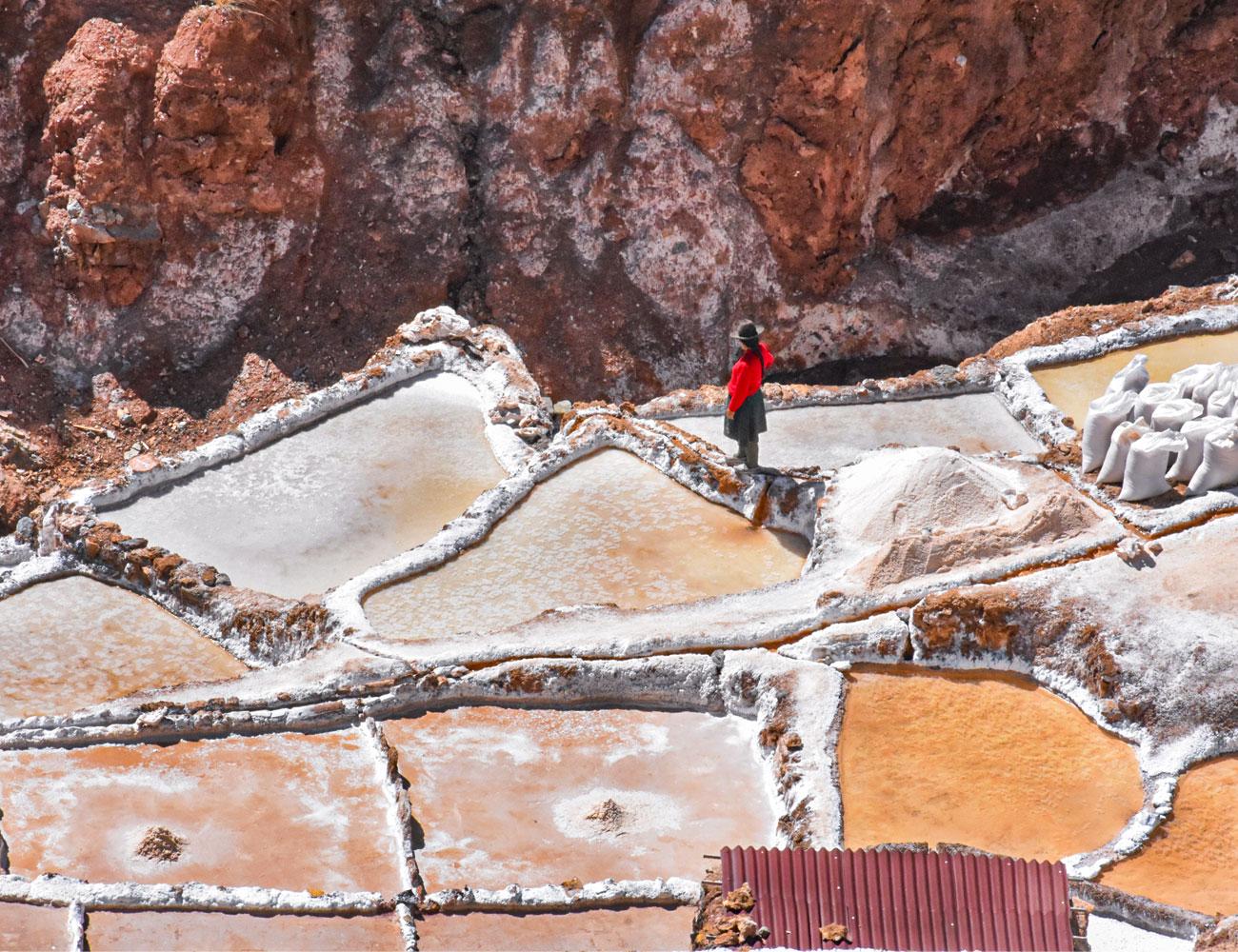
Journey through Sacred Valley highlights: Inca agricultural terraces, ancient salt pools, and traditional textile workshops
Reserve
Hand-picked by our editors — only the best 5 textile workshops from 12 reviewed.
Verified partners for every tour, free cancellation where available, and instant confirmation on every booking.
6 hr 30 min
Journey through Sacred Valley highlights: Inca agricultural terraces, ancient salt pools, and traditional textile workshops
Reserve
13 hr 30 min
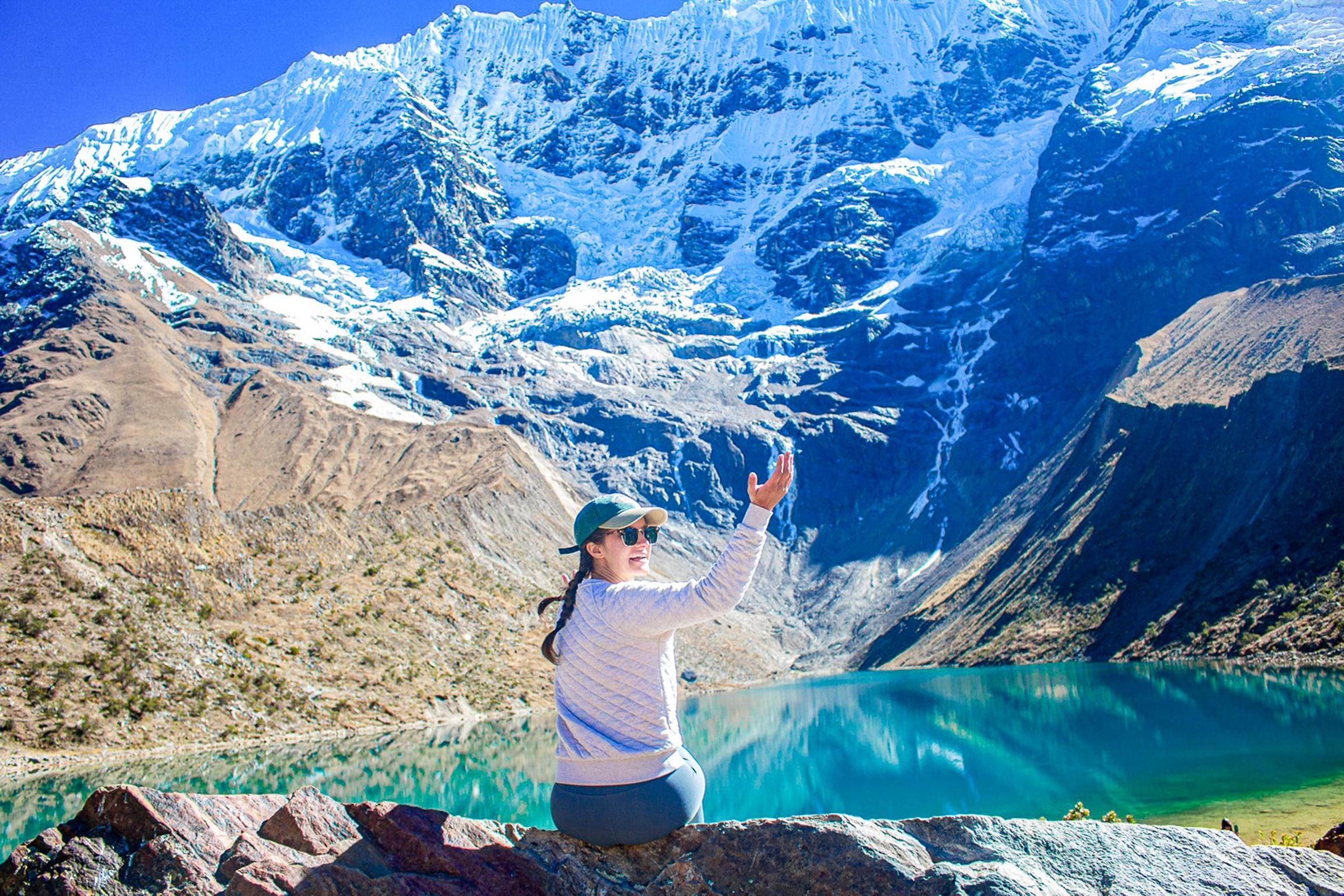
Journey to a turquoise glacial lake nestled in the Andes with breakfast, lunch, and guided mountain hiking
Reserve
2 hr 30 min
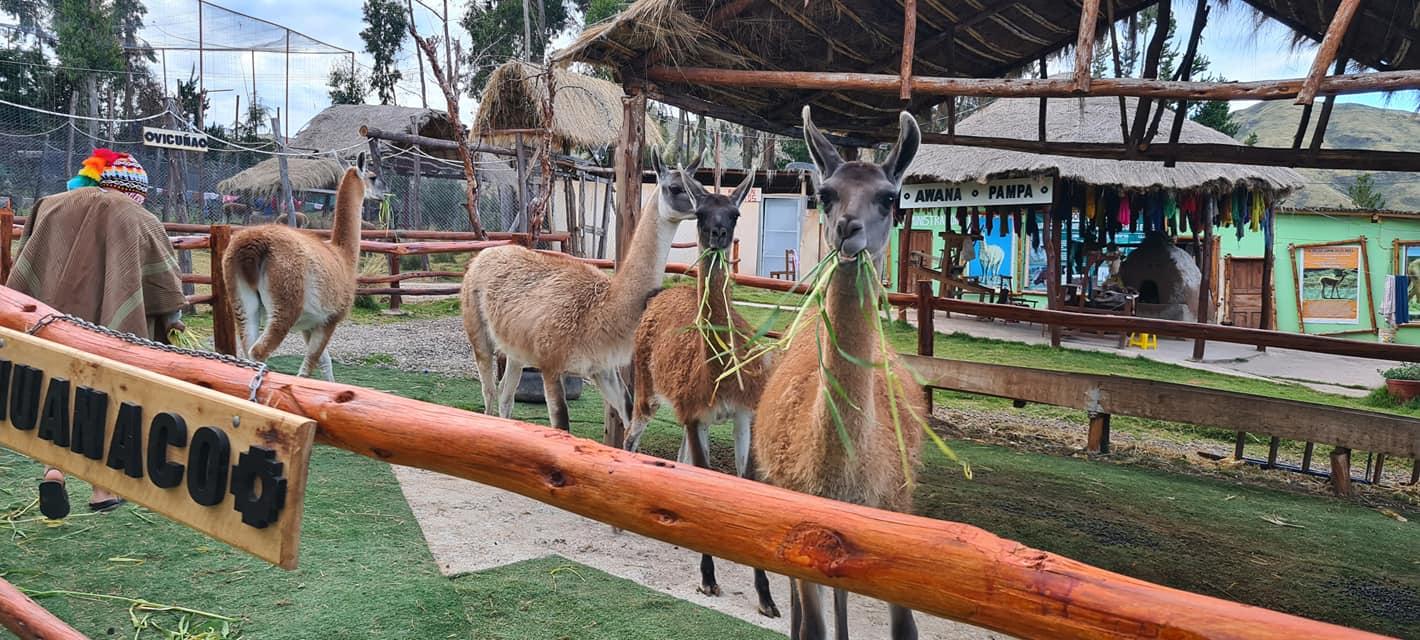
Meet South American camelids up close and watch traditional textile artisans at work on this half-day escape
ReservePrices from verified partners. Availability updates in real time at checkout. Free cancellation policies apply where shown.
The landmarks, rooms, and views travelers on this tour remember — all visible on a single visit.
Learn about the four species of Andean camelids including the rare vicuña and guanaco.
Awana Kancha is ideal for those seeking quick textile education along the road, while Chinchero offers a superior, hands-on weaving class cusco experience for those prioritizing deep cultural immersion. These two options complement each other; most visitors who do both find the village-based approach to be the more authentic.
| Feature | Top pick Awana Kancha | Chinchero Workshops |
|---|---|---|
Setting |
Roadside center | |
Private homes or community centers;Depth of instruction |
Observation-focused | |
Comprehensive skill-building;Artisan interaction |
Informal demonstrations | |
High personal engagement;Travel time from Cusco |
45 minutes | |
60 minutes;Group size |
Flexible tour traffic | |
Small, personalized cohorts;Cultural context |
Regional textile overview | |
| See tickets → |
Verdict: Choose a weaving class cusco tour in Chinchero if you want to master traditional dyeing and spinning, whereas Awana Kancha provides a convenient way to see various camelid species and high-quality artisanal looms without booking extensive weaving class cusco tickets.
Choose your ticket, select your date, and reserve in under two minutes. Secure checkout handled by our verified partner.
Instant confirmation by email, with a mobile voucher you can save offline. No printing, no queuing at a collection desk.
Arrive at the entrance, show your voucher on your phone, and walk in. Most tickets include priority or skip-the-line access.
Practical details for your visit straight from our verified partners — hours, access, rules, and how to get there.
Km. 23 Pista Cusco-Pisac
Main meeting area for group transport
Direct travel from Cusco or Pisac for convenience.
Wear comfortable walking shoes and layers, as weather in the Andes can change rapidly. A light jacket is recommended for the cool morning mountain air.
Small daypacks are acceptable, but please keep belongings close at all times. Large luggage is not suitable for the narrow gravel paths within the site.
Photography is permitted and encouraged, especially when capturing the vibrant colors of the looms. Please ask artisans before taking close-up portraits.
The site features earthen paths and some terraced inclines, which may present challenges for visitors with limited mobility. Assistance is recommended for navigating certain sections.
This is a family-friendly location where children can safely feed llamas and alpacas. Educational demonstrations make this an engaging stop for all ages.
An on-site café serves local snacks and beverages. We recommend bringing a reusable water bottle to stay hydrated during your weaving class cusco visit.
Best time to go, insider tips, nearby landmarks, and the cancellation fine print — flip through to skim what matters to you.
How crowds, weather, and events shift across the year.
Mild temperatures ideal for outdoor walking tours.
Small details that turn a good visit into a great one.
Arrive between 08:00 and 10:00 to experience the peaceful atmosphere before large groups arrive.
Non-bookable sights within a short walk — free to visit, easy to pair.
High-altitude Inca fortress overlooking the Sacred Valley.
Flexible, no hidden fees.
Since entrance is free, there are no cancellation fees for site access. Third-party weaving class cusco tours typically offer free cancellation up to 24 hours in advance.
Hand-picked options within walking distance — pick a district for vibe, or a specific hotel for convenience.
Unique stays located near the Sacred Valley markets.
Awana Kancha preserves a three-thousand-year-old tradition on a single hillside twenty-three kilometers north of Cusco, where Andean weavers still dye yarn with cochineal insects and chilca leaves. The site takes its name from Quechua — awana for weaving, kancha for enclosed courtyard — and functions as both living museum and working textile center. Visitors walk among llamas and alpacas whose fiber supplies the looms, watching artisans card raw fleece with wooden paddles and spin it onto drop spindles exactly as their ancestors did before the Inca conquest. The demonstration format at Awana Kancha differs from commercial weaving class cusco tours in one crucial respect: artisans work on their own commissions throughout the day, not staged performances timed to bus arrivals. A woman finishing a chullo hat continues her pattern while explaining the significance of tocapu geometric bands; another prepares natural dyes in clay pots over a wood fire, grinding mineral salts to fix pigment into yarn. The backstrap loom technique taught here appears in textile fragments recovered from Paracas burial sites dating to 500 BCE, and the designs woven today — puma tracks, condor wings, sacred mountains — mirror motifs found in those ancient textiles. The center operates without entrance fees, supported instead by direct sales of finished weavings and optional donations. This model allows artisans to set their own prices and maintain control over their work, a deliberate counter-model to the consignment systems that dominate Cusco's tourist markets. Visitors who book textile workshops through partnered operators receive extended time at the looms, learning to set up a backstrap weave and execute basic patterns under supervision. The alpaca fiber used in these classes comes from the center's own herd, animals bred specifically for soft undercoat rather than coarse guard hair. Awana Kancha sits at 3,400 meters elevation on the road to Pisac, positioned to intercept traffic heading toward the Sacred Valley archaeological circuit. The site opens daily at eight in the morning, and early arrival ensures interaction with artisans before mid-morning tour groups arrive. The demonstrations continue until five in the afternoon, but the quality of natural light for photography peaks between nine and eleven, when Andean sun illuminates the courtyard without harsh shadows.
"The backstrap loom technique taught here appears in textile fragments recovered from Paracas burial sites dating to 500 BCE."
A step-by-step walkthrough of the visit — what you'll see, how long each stage takes, and the details that matter.
You arrive at Awana Kancha's stone gateway and walk through eucalyptus-shaded paths into the central courtyard, where alpacas graze on terraced grass. An artisan gestures you toward a low wooden bench beside her backstrap loom, already threaded with cream and rust-colored yarn. She demonstrates the first step: securing the loom's far end to a post and wrapping the waist strap around your lower back, creating tension by leaning backward. Your hands learn to separate warp threads with a flat wooden sword, then pass the bobbin of weft yarn through the opening. The pattern emerges slowly — a simple stripe first, then a chevron motif that requires counting threads and switching tension. The artisan corrects your grip on the heddle rod, showing how slight adjustments in back pressure change the weave's tightness. Nearby, another weaver stirs a pot of cochineal dye, and she invites you to dip a skein of undyed yarn into the crimson liquid. The color sets almost instantly when she adds a palmful of mineral salt. You spend an hour at the loom, completing a small band six inches long. The artisan photographs your work before carefully cutting it free, explaining that the first piece a student weaves traditionally stays with the teacher. She wraps it around your wrist as a bracelet — uneven tension visible in the fabric, but recognizably a weave.
Awana Kancha is open from 08:00–17:00 every day of the week.
Entrance to the facility is 0 PEN, though optional donations are welcome.
It is situated at Km. 23 Pista Cusco-Pisac, Taray, Peru.
Yes, children are encouraged to participate in the interactive animal and textile demonstrations at Awana Kancha.
There are no formal locker facilities, so please travel light when visiting Awana Kancha.
Yes, visitors are encouraged to take photos of the beautiful weaving class cusco textiles and animals.
The best arrival window is 08:00–10:00 to avoid mid-day tour bus crowds at Awana Kancha.
You can reach Awana Kancha by taking a taxi or a shared combi from Cusco or Pisac.
Yes, there is an on-site café that offers local snacks for visitors at Awana Kancha.
Most weaving class cusco tours booked through third parties offer free cancellation, usually up to 24 hours in advance.