Weaving Workshop Cusco
Tours & tickets

Hand-picked by our editors — only the best 5 textile experiences from 47 reviewed.

Open today 08:00–17:00
Attendance: Moderate — autumn season
Arrive early to avoid mid-day tour bus crowds and enjoy a more personal experience.
Free cancellation Instant confirmation Mobile voucher Verified partner Book now, pay later
Tickets

Choose your ticket

Verified partners for every tour, free cancellation where available, and instant confirmation on every booking.

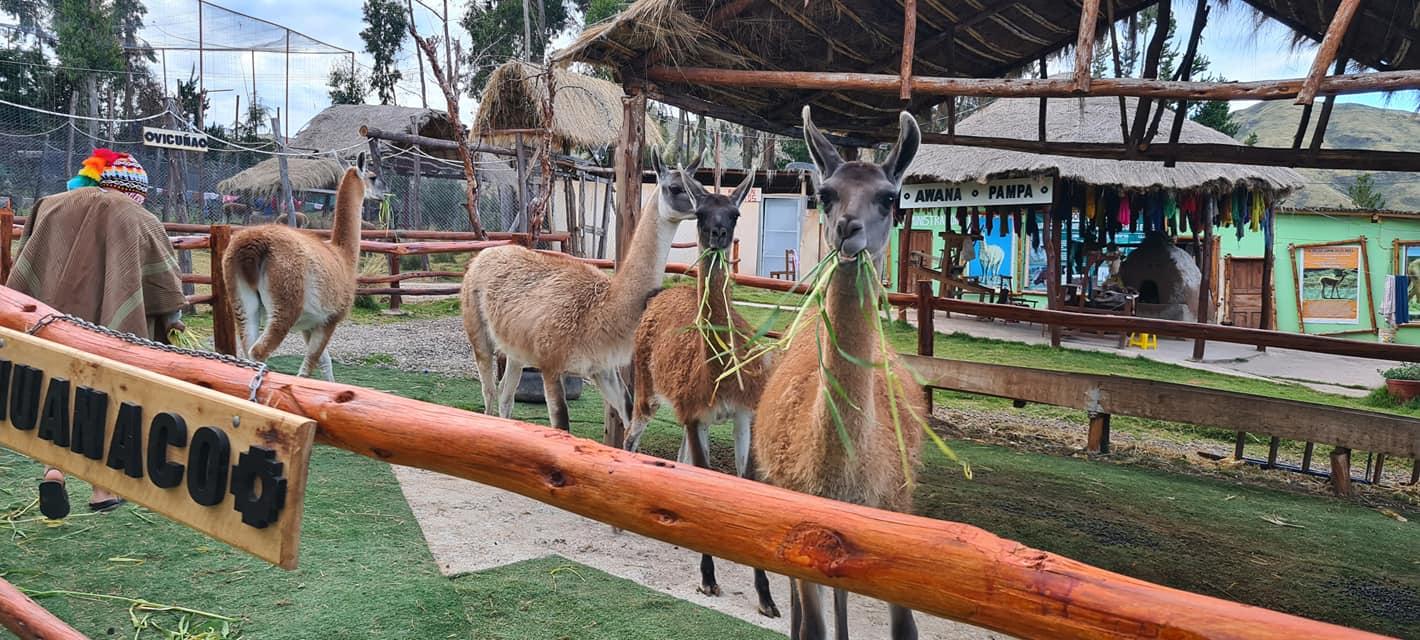
Cusco Alpaca & Llama Farm Experience with Weaving Workshop 2 hr 30 min
Standard Entry

Cusco Alpaca & Llama Farm Experience with Weaving Workshop

★ 4.9 (171)
€30
per person
Instant Mobile voucher Flexible — change up to 24h

Meet South American camelids up close and watch traditional textile artisans at work on this half-day excursion

Reserve
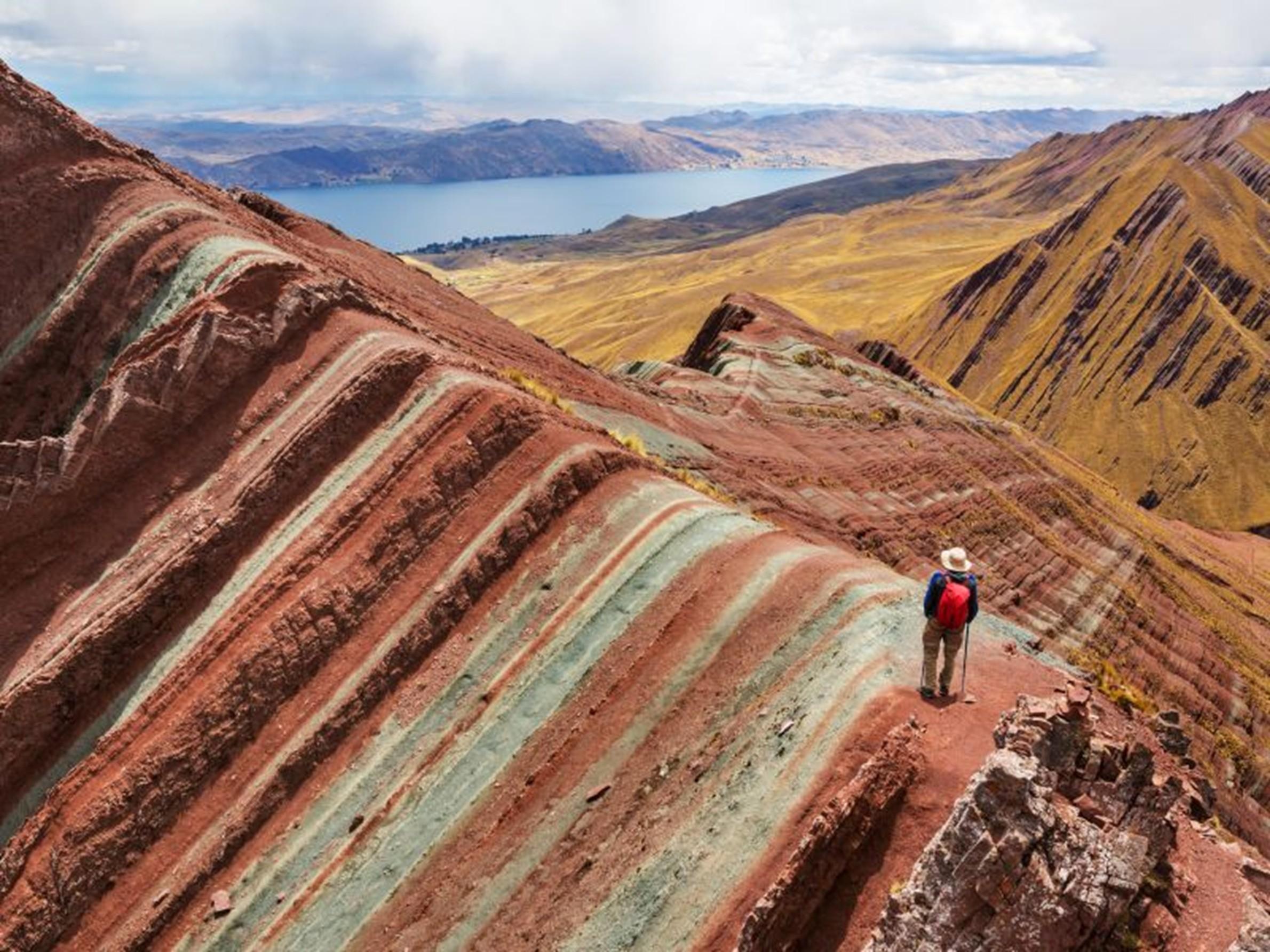
Pallay Punchu Mountain Full-Day Trek from Cusco with Meals 12 hr
Guided Experience

Pallay Punchu Mountain Full-Day Trek from Cusco with Meals

★ 4.8 (284)
€38
per person
Instant Mobile voucher Flexible — change up to 24h

Discover a vibrant Andean peak with natural striped formations, local wildlife, and serene high-altitude vistas.

Reserve

Prices from verified partners. Availability updates in real time at checkout. Free cancellation policies apply where shown.

What you'll do

Inside a tour, step by step

  1. 01 15 minutes

    Camelid Introduction

    Observe llamas, alpacas, and vicuñas up close.

  2. 02 20 minutes

    Weaving Demonstration

    Watch artisans prepare wool and weave traditional patterns.

  3. 03 25 minutes

    Craft Workshop

    Participate in natural dye color extraction processes.

Highlights

What you'll see inside the attraction

The landmarks, rooms, and views travelers on this tour remember — all visible on a single visit.

Llama Enclosure

Home to four different species of South American camelids, including the rare vicuña. Visitors can observe the distinct physical characteristics of each breed.

Traditional Loom Center

Expert weavers demonstrate ancient techniques that have been preserved for centuries. Notice the complex patterns generated without digital assistance.

Natural Dye Station

Discover how local plants and insects are used to create vibrant colors for wool. Many colors are derived from specific Andean flowers and mineral sources.

Textile Gallery

A curated space featuring high-quality finished products made by local cooperatives. This highlights the intricate craftsmanship involved in every Andean textile.

Community Cooperative

Learn about the social impact of the textile trade on local families. This space explains how the site supports sustainable livelihoods in the Sacred Valley.

Head to head

Awana Kancha or Chinchero: Choosing Your Cusco Textile Tour Experience

They complement each other, yet most visitors find the structured museum environment of Awana Kancha better for education, while Chinchero offers a more intimate connection to the artisan guilds. Booking cusco textile tour tours here provides insight into the ancient Andean weaving tradition.

Feature Top pick Awana Kancha Chinchero Cooperatives
Accessibility
High altitude village terrain
Demonstration Style
Interactive artisan workshop
Local Community Integration
Village-based cooperative structure
Travel Time from Cusco
60–75 minutes
Shopping Environment
Traditional outdoor marketplace
Cultural Depth
Deep focus on ancestral weaving

Verdict: Select your local textile experience based on whether you prefer the convenience of a highway-side exhibition or the authentic, immersive setting of a Chinchero cusco textile tour tour; those needing cusco textile tour tickets for guided transport should compare available options carefully.

How your ticket works

Book your ticket in 3 steps

  1. 01

    Book online

    Choose your ticket, select your date, and reserve in under two minutes. Secure checkout handled by our verified partner.

  2. 02

    Receive your mobile voucher

    Instant confirmation by email, with a mobile voucher you can save offline. No printing, no queuing at a collection desk.

  3. 03

    Show & enter

    Arrive at the entrance, show your voucher on your phone, and walk in. Most tickets include priority or skip-the-line access.

Plan your visit

Everything you need to know before you go

Practical details for your visit straight from our verified partners — hours, access, rules, and how to get there.

Open today · 08:00–17:00
Opening Hours
08:00–17:00
Address
Km. 23 Pista Cusco-Pisac, Taray, Cusco, Peru
Facility Access
Partial accessibility for weavers' area
Arrival Window
08:00–10:00
Storage
Not available on-site
Mon
08:00–17:00
Tue
08:00–17:00
Wed
08:00–17:00
Thu
08:00–17:00
Fri
08:00–17:00
Sat
08:00–17:00
Sun
08:00–17:00
Closed on: Jan 1 (New Year's Day), Dec 25 (Christmas Day)
Main entrance

Entrance Gate

Km. 23 Pista Cusco-Pisac

Main access point for all arrivals

Address
Km. 23 Pista Cusco-Pisac, Taray, Cusco, Peru
Storage
Not available on-site

How to get there

🚗
Car · 45 minutes · Varies by operator

Follow the Pista Cusco-Pisac highway towards Pisac; parking is available on-site.

🚆
Public transport · 60 minutes · Low cost

Take a 'colectivo' heading to Pisac from Puputi street in Cusco.

Dress code

Wear comfortable walking shoes and layers, as the climate at Awana Kancha can change rapidly throughout the day. Modest clothing is recommended when engaging with local community members.

Bags & security

Small personal bags are permitted during your cusco textile tour visit. Large backpacks may need to be kept with you as there is no secure storage facility available.

Photography

Photography is encouraged throughout the outdoor animal enclosures and weaving demonstration areas. Please ask for permission before taking close-up portraits of the artisans.

Accessibility

The site features gravel paths that may be challenging for wheelchair users. Visitors with limited mobility should coordinate with their guide during this cusco textile tour.

Mobile phones

Mobile phones are permitted for capturing photos and videos. Ensure devices are silenced during cultural demonstrations to respect the artisans.

What to bring

  • Water bottle
  • Sunscreen
  • Hat
  • Camera
  • Small change for donations
  • Light jacket

Not allowed

  • Drones
  • Tripods
  • External food
  • Alcoholic beverages
  • Sharp objects
  • Radios
  • Professional lighting equipment
  • Spray paint

Families & strollers

This location is highly suitable for children interested in llamas and alpacas. Families can participate in interactive feeding sessions during their Andean craft tour.

Food & drink

There is no on-site restaurant, so guests should carry water. Nearby Pisac offers extensive dining options following your cusco textile tour excursion.

Pets

Pets are strictly prohibited at Awana Kancha to ensure the safety of the resident camelids. Service animals should be cleared with management in advance.

Good to know

The facility functions as a living museum dedicated to preserving traditional dyeing and weaving techniques. Plan for a 60-minute duration to fully appreciate the heritage craft displays.

Meeting point

Where to find us

Entrance Gate

Km. 23 Pista Cusco-Pisac

Main access point for all arrivals

Get directions
Around your visit

Everything else worth knowing

Best time to go, insider tips, nearby landmarks, and the cancellation fine print — flip through to skim what matters to you.

Best time to visit

How crowds, weather, and events shift across the year.

Spring

Mild temperatures make this a comfortable time for an outdoor Andean textile tour.

Summer

Expect sunny mornings and occasional afternoon showers in the Sacred Valley.

Autumn

Cooler, crisp air provides excellent visibility for mountain photography.

Winter

Dry, clear skies are ideal for early morning visits to this cultural site.

Helpful tips for your visit

Small details that turn a good visit into a great one.

Avoid mid-day heat

Visit during the 08:00–10:00 window to enjoy the most comfortable weather.

Bring small cash

Donations are customary and highly appreciated by the local artisan cooperatives.

Respect the animals

Do not feed the llamas or alpacas anything other than the provided feed.

Learn the process

Ask the weavers about their specific natural dyes made from insects and plants.

Nearby landmarks

Non-bookable sights within a short walk — free to visit, easy to pair.

Pisac Archaeological Park

20-minute drive

Extensive Inca ruins perched on a mountain ridge overlooking the town.

Pisac Artisan Market

15-minute drive

A historic market square famous for high-quality local textiles and ceramics.

Taray Village

10-minute drive

A quiet agricultural community known for traditional farming practices in the valley.

Cancellation policy

Flexible, no hidden fees.

Since this cusco textile tour venue requires 0 PEN for entry, there are no cancellation fees for general admission. Donations are accepted on-site to support the local artisans.

Where to stay

Hotels & districts near the attraction

Hand-picked options within walking distance — pick a district for vibe, or a specific hotel for convenience.

Royal Inca Hotel

luxury

Historic property with colonial architecture and gardens

Pisac Inn

boutique

Charming inn located in the heart of the village square

Sacred Valley Hostel

budget

Affordable lodging for those exploring regional landmarks

About

The place, in context

Awana Kancha houses the only complete collection of South American camelids open to visitors without admission charge in the Cusco region. The center, located at kilometer 23 on the Cusco-Pisac highway, maintains breeding populations of llamas, alpacas, vicuñas, and guanacos within a single compound—a genetic preservation effort that began in 1996 when Peruvian agronomist Juan de Dios Ochoa established the site to protect highland fiber traditions from industrial displacement. Textile production at Awana Kancha follows methods documented in pre-Columbian archaeological sites across the Andes. Artisans demonstrate drop-spindle spinning, natural dye extraction from cochineal insects and native plants, and backstrap loom weaving—a technique requiring the weaver's body tension to maintain warp threads. The center processes fiber from its own herds, with alpaca fleece sorted into 22 recognized color grades from white to black without chemical treatment. Vicuña fiber, the finest animal fiber produced commercially, appears in limited quantities; a single vicuña yields approximately 150 grams of usable fleece every two years. The Sacred Valley's textile heritage extends beyond decorative craft into encoded communication systems. Tocapu geometric patterns woven into textiles served as a proto-writing system in the Inca Empire, with specific sequences denoting social rank, regional origin, and ceremonial function. Awana Kancha's resident weavers maintain knowledge of these symbolic vocabularies, working from memory rather than written patterns. A single ceremonial mantle requires between 400 and 600 hours of labor using threads spun to diameters below one millimeter. Cusco textile tour experiences at the center include direct access to working looms and fiber processing stations during daylight hours. The facility operates as a nonprofit cooperative, with artisan income derived from on-site textile sales rather than admission fees. Visitors observe production stages from raw fleece shearing through finished weavings, with bilingual interpretation available in Spanish and English. The camelid enclosures permit close-range photography of animals bred for fiber quality rather than pack work, a genetic lineage distinct from working llama populations elsewhere in the valley.

"A single ceremonial mantle requires between 400 and 600 hours of labor using threads spun to diameters below one millimeter."
Your experience

What a tour day looks like

A step-by-step walkthrough of the visit — what you'll see, how long each stage takes, and the details that matter.

You arrive at the compound gates before tour buses claim the gravel parking area. Alpacas graze within ten meters of the entrance—white, fawn, and charcoal animals segregated by fleece color into separate paddocks. Staff permit hand-feeding; the animals approach the fence rail without hesitation. You follow the stone path to the covered weaving pavilion. Three artisans work at backstrap looms anchored to wooden posts, their fingers selecting warp threads in sequences you cannot parse. One weaver demonstrates drop-spindle technique, twisting raw fleece into continuous yarn without mechanical aid. You watch her hands for two minutes and still cannot identify the tensioning motion that prevents the thread from breaking. The dye workshop occupies the adjacent building. Clay pots simmer over propane burners—cochineal red, indigo blue, chilca yellow. The instructor crushes dried insects against a stone mortar, releasing crimson pigment darker than any synthetic dye you recognize. She dips a skein of undyed alpaca into the vermillion bath; the fiber emerges scarlet within thirty seconds. You return to the paddocks before leaving. A vicuña stands separate from the alpaca herds, its cinnamon fleece catching direct sun. The animal tolerates your presence at three meters but retreats if you step closer. You photograph it against the valley ridgeline, then walk back to the road.

Frequently asked

Frequently asked questions about cusco textile tour tours

What are the opening hours for a cusco textile tour?

The site is open daily from 08:00–17:00.

Is there an entrance fee for Awana Kancha?

Admission is 0 PEN, though donations are customary to support the artisan community.

How much time is needed for this textile tour?

Plan for 60 to 90 minutes to fully experience the animal exhibits and weaving demonstrations.

Can I book skip-the-line cusco textile tour tickets?

The venue does not require advance tickets for entry, though pre-booked guided visits can be arranged.

Are children allowed on a Cusco weaving tour?

Yes, children are welcome and typically enjoy interacting with the animals during this cultural experience.

Is photography allowed during the visit?

Photography is allowed throughout the facility, though you should always request permission before filming local artisans.

How do I get to the attraction from Cusco?

You can reach the site by taking a local colectivo from Cusco or by arranging a private taxi for the 45-minute drive.

What should I wear for a Sacred Valley textile tour?

Wear comfortable walking shoes and layers to adapt to the changing temperatures of the Andean highlands.

Are there nearby attractions to combine with my visit?

You can easily combine your trip with a visit to the Pisac ruins and the town's famous artisan market.