6 hr 30 min
Cusco: Sacred Valley Tour with Moray, Maras Salt Mines & Chinchero
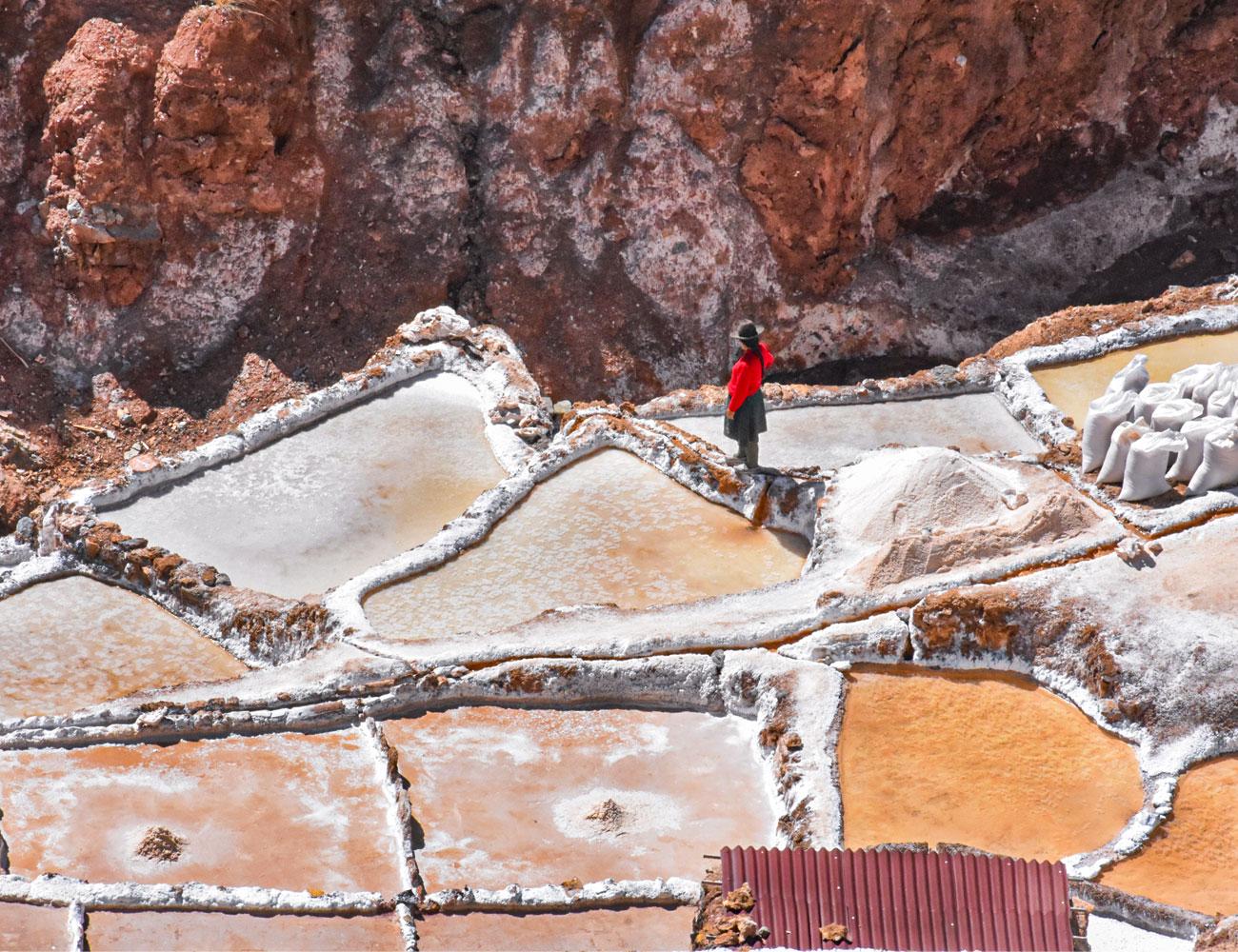
Discover ancient Inca agricultural terraces, traditional Quechua weaving craft, and thousands of salt pools.
Reserve
Threads of ancient knowledge, dyed in vibrant mountain hues.
Hand-picked by our editors — only the best 3 experiences from 25 reviewed.
Verified partners for Weaving Workshop Cusco tours, free cancellation where available, and instant confirmation on every booking.
6 hr 30 min
Discover ancient Inca agricultural terraces, traditional Quechua weaving craft, and thousands of salt pools.
Reserve
4 hr 10 min
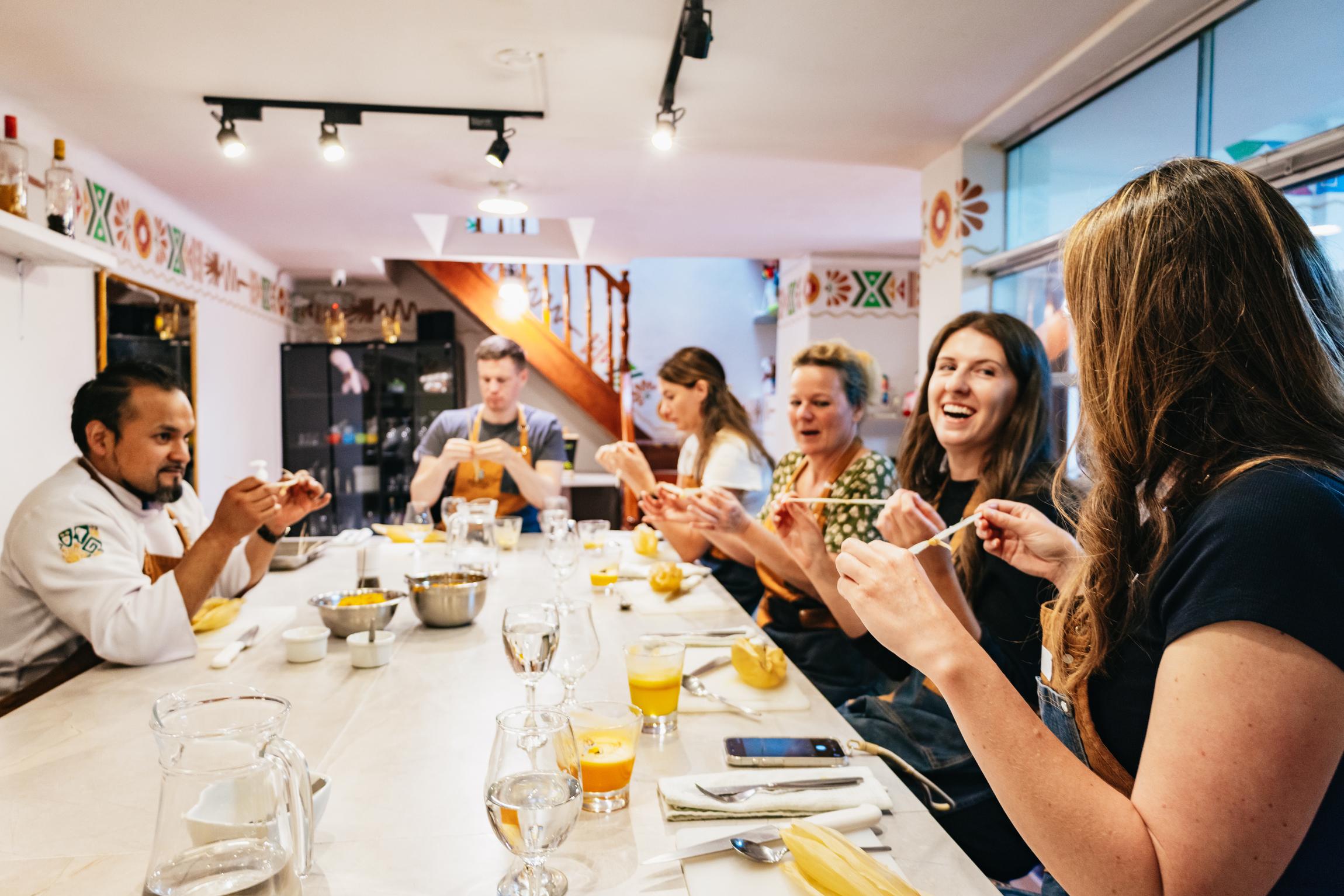
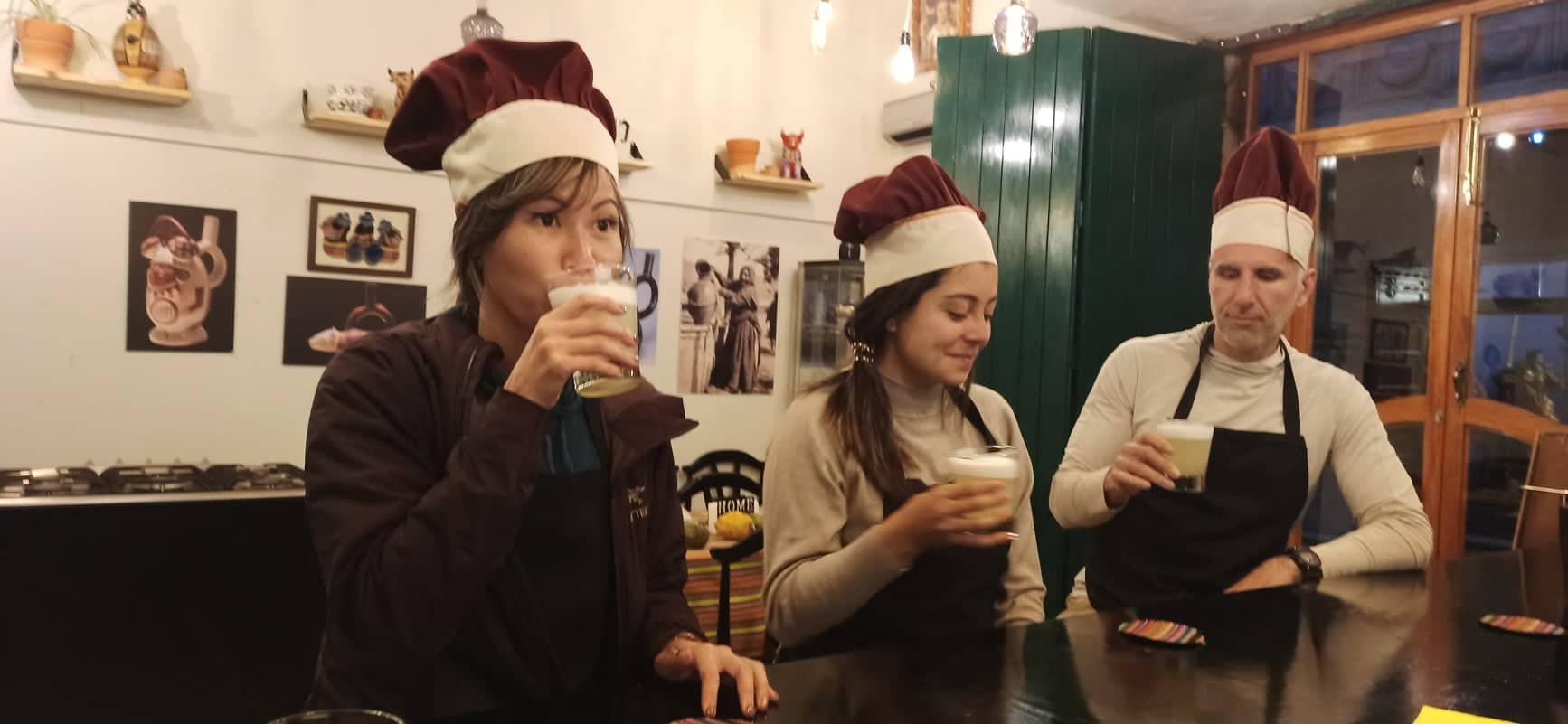
Explore San Pedro Market, mix pisco cocktails, and prepare classic Peruvian dishes in Cusco's historic center.
Reserve
2 hr
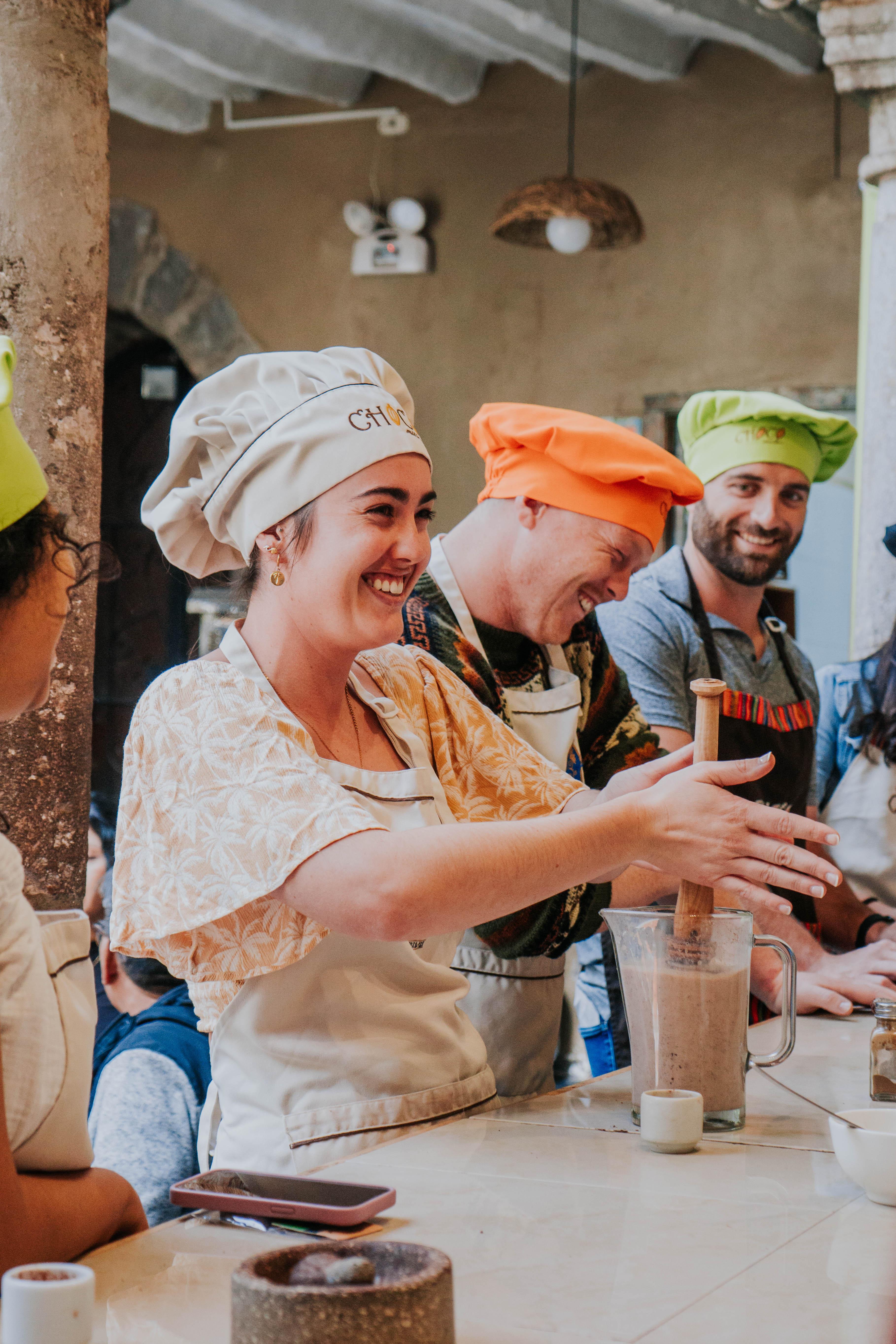
Discover the heritage of Peruvian cacao and craft your own custom chocolate bars in Cusco.
ReservePrices from verified partners. Availability updates in real time at checkout. Free cancellation policies apply where shown.
The landmarks, rooms, and views travelers on Weaving Workshop Cusco tours remember — all visible on a single visit.
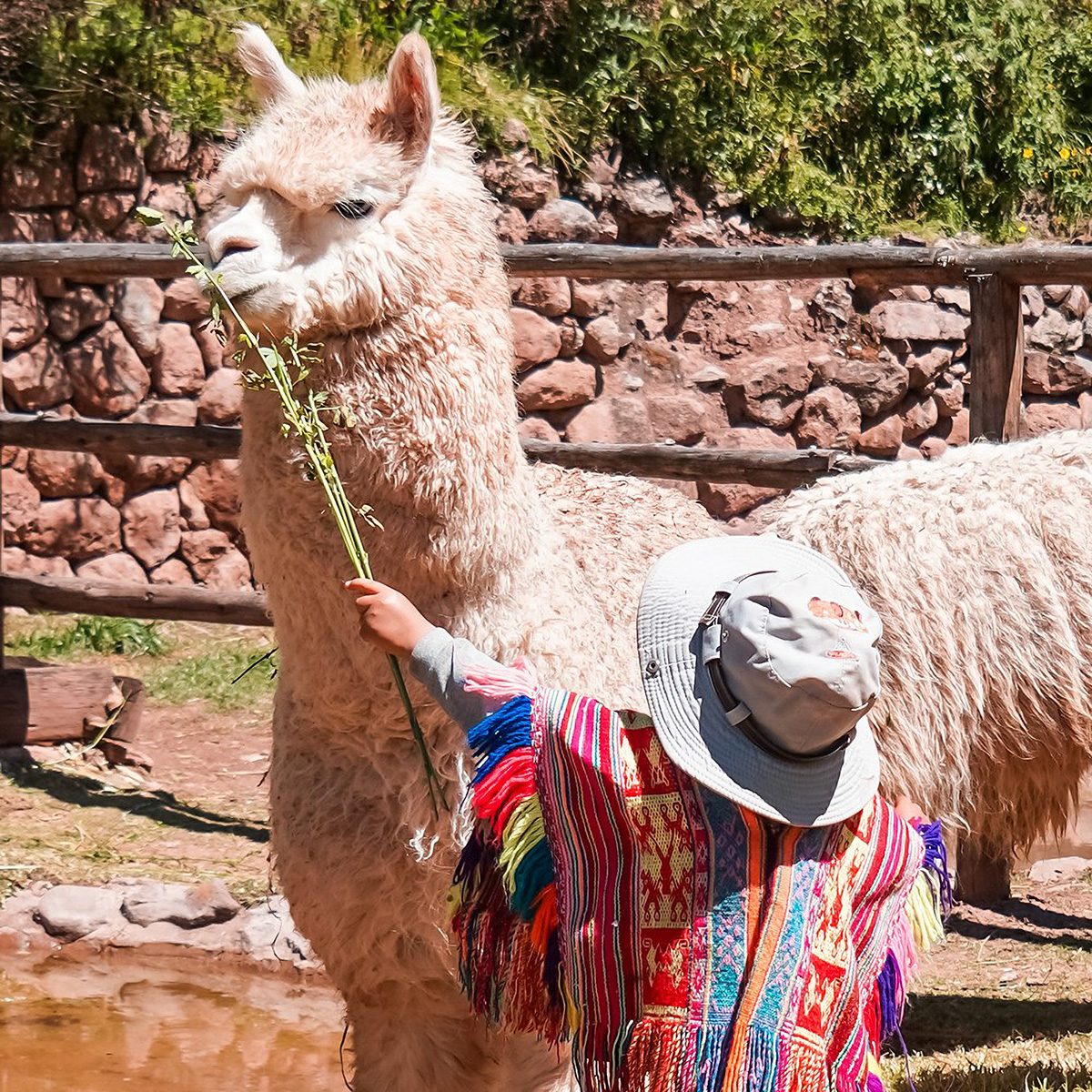
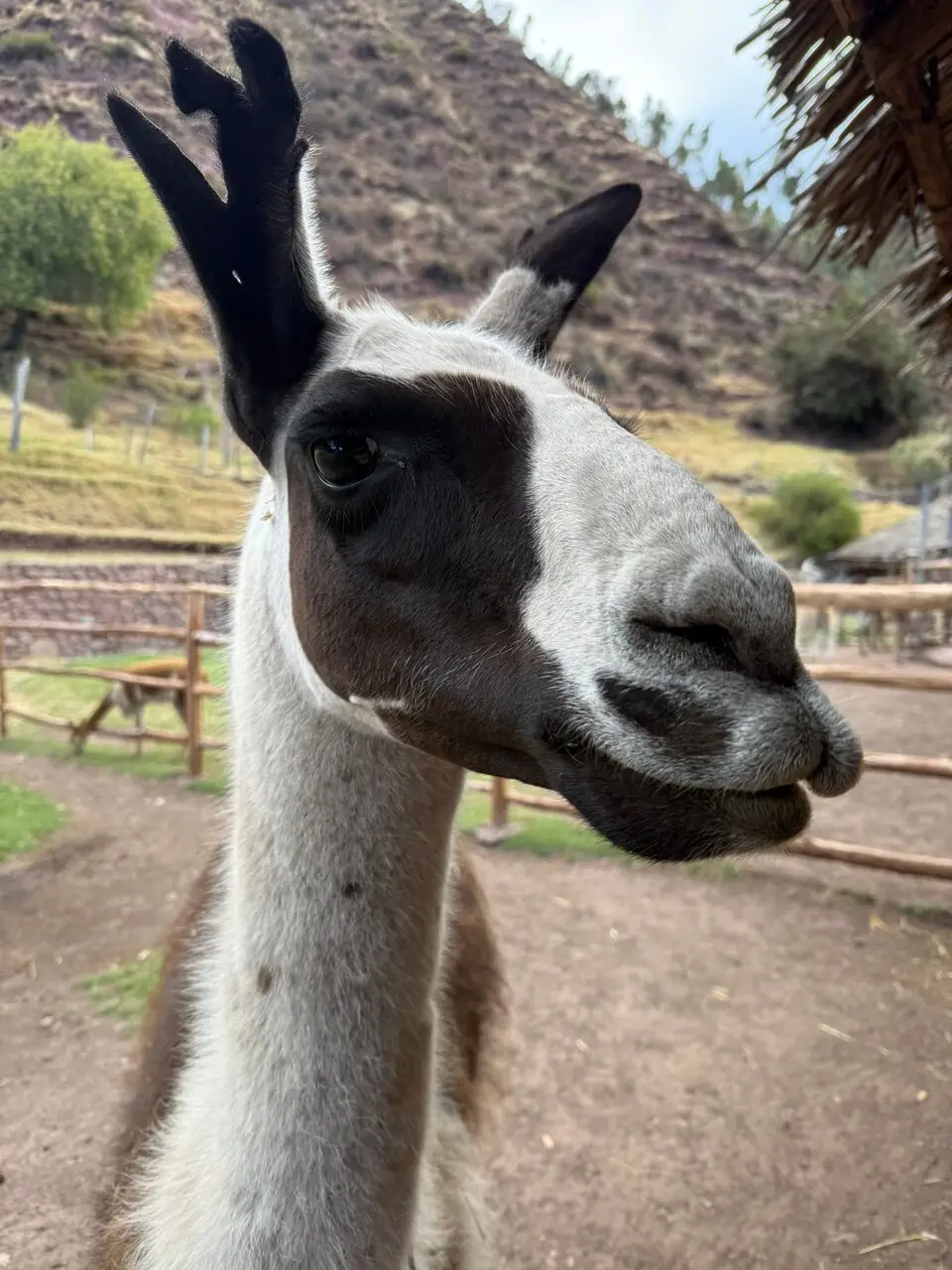
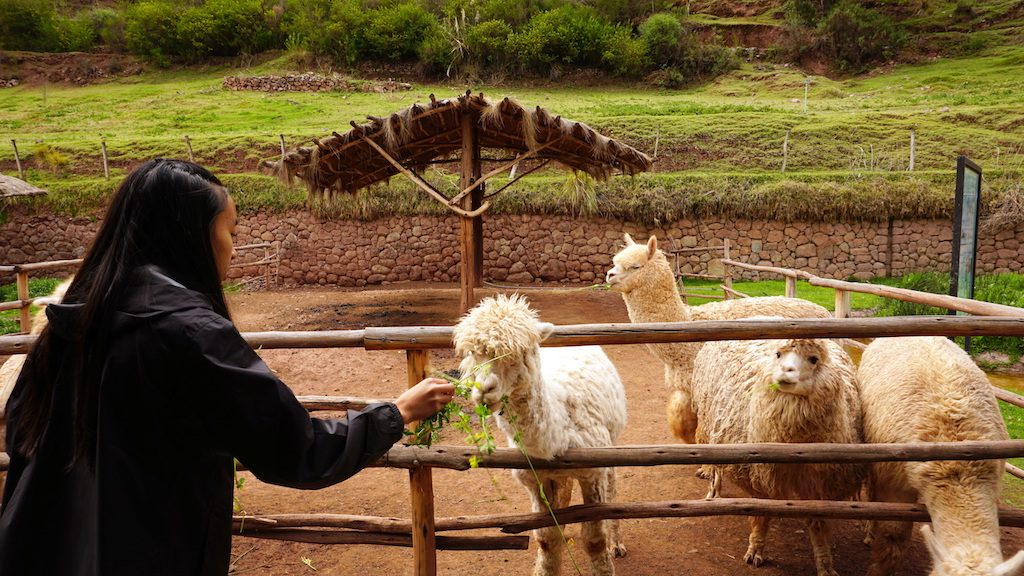
See llamas, alpacas, vicuñas, and guanacos in their natural setting.
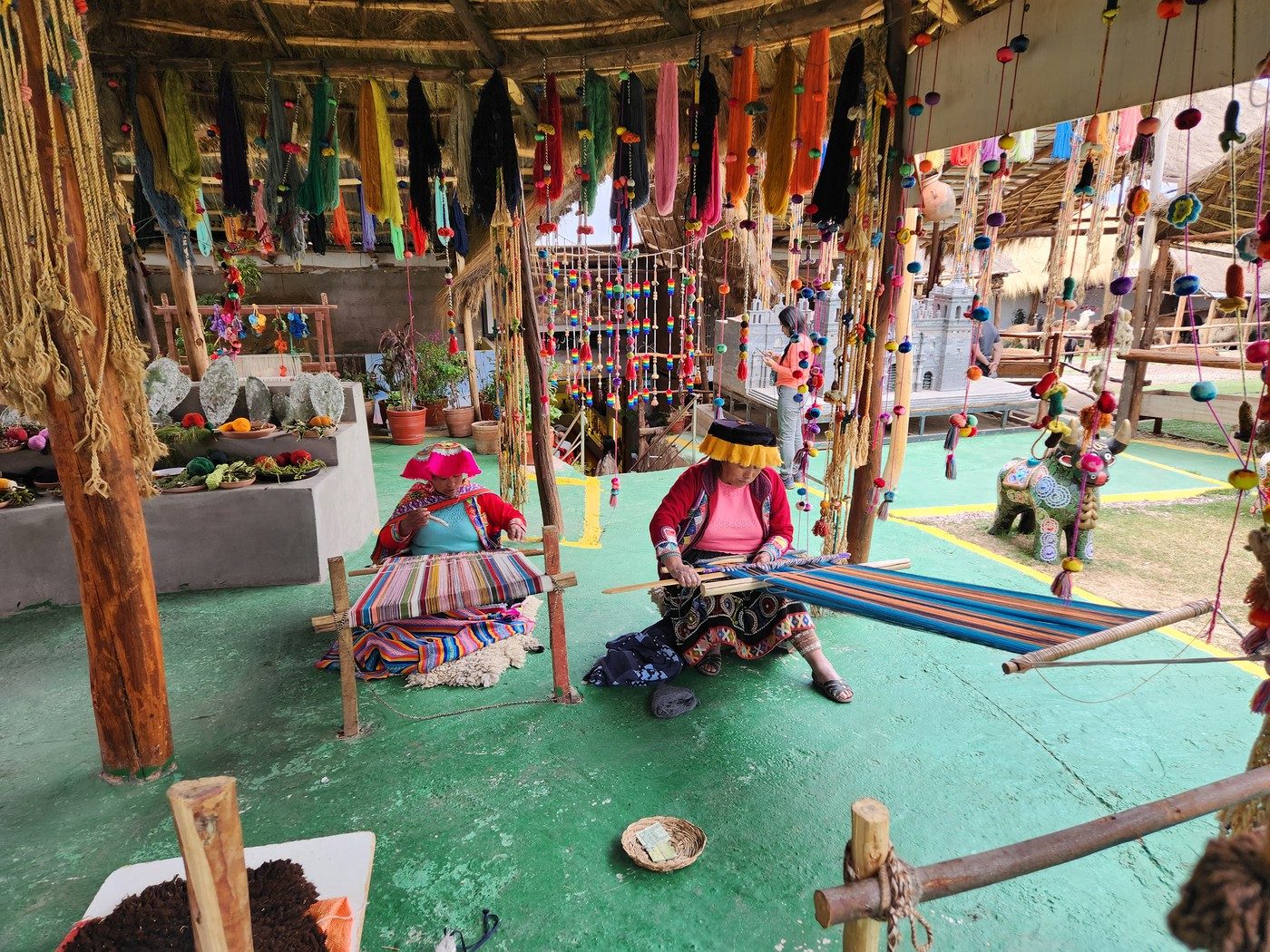
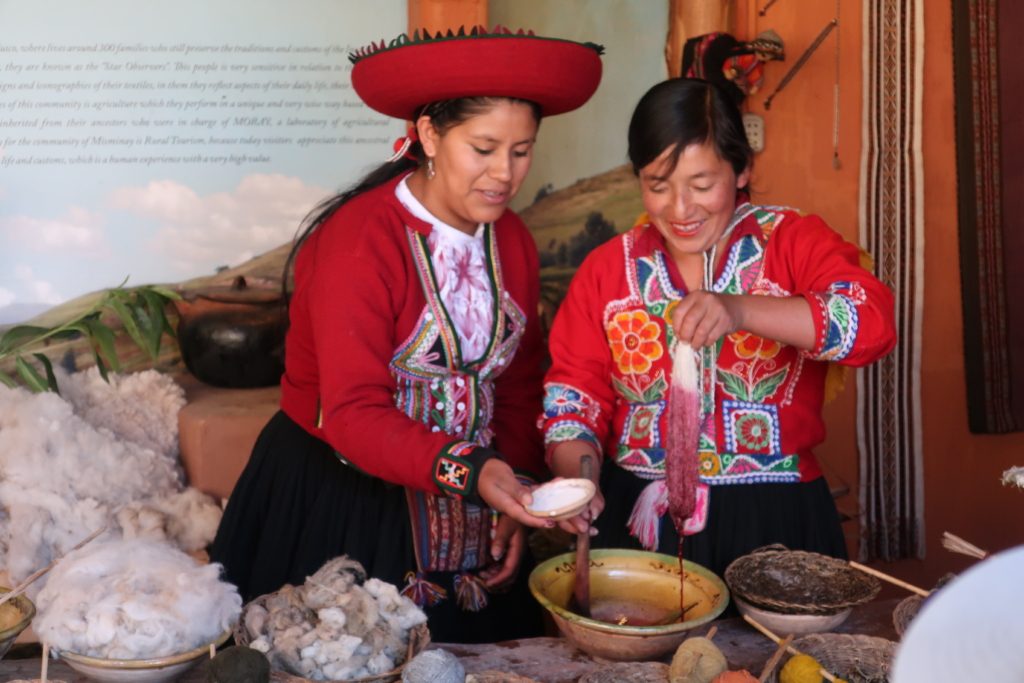
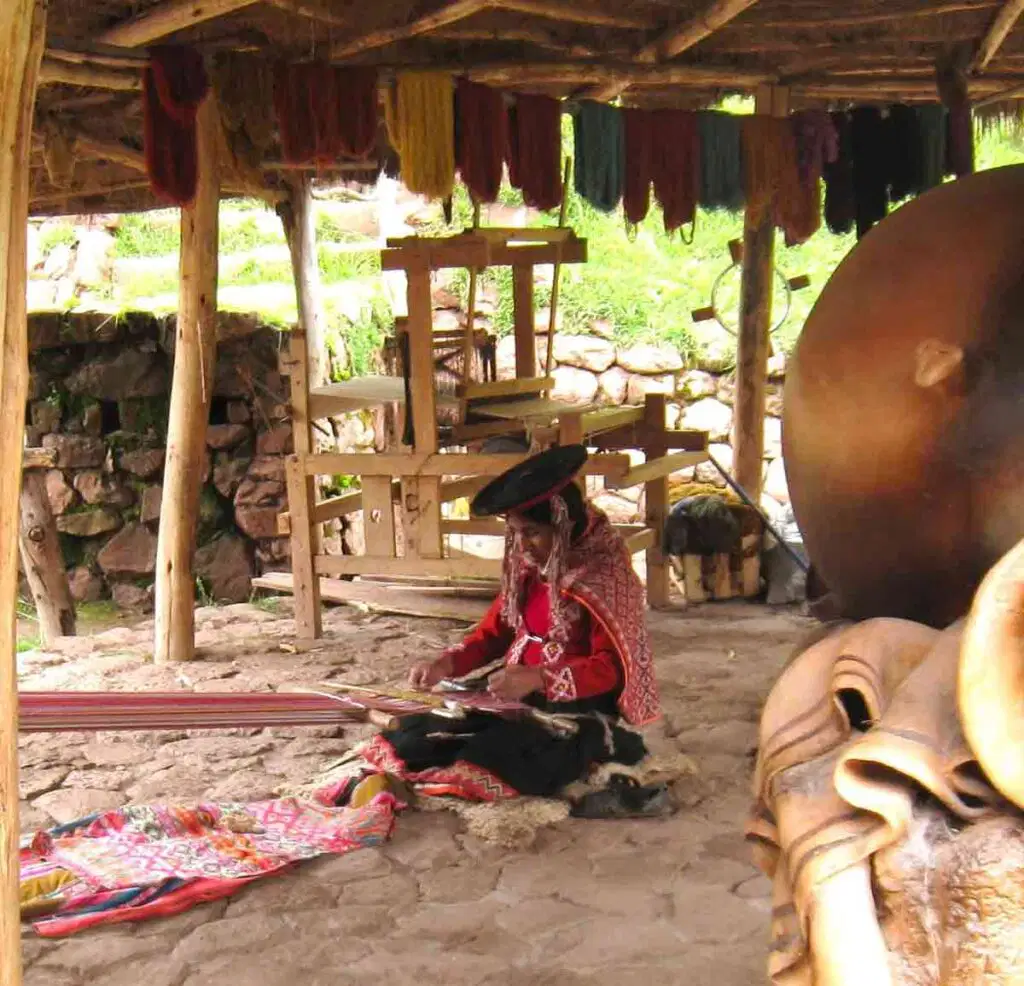
Observe traditional spinning and natural dying techniques using Andean plants.
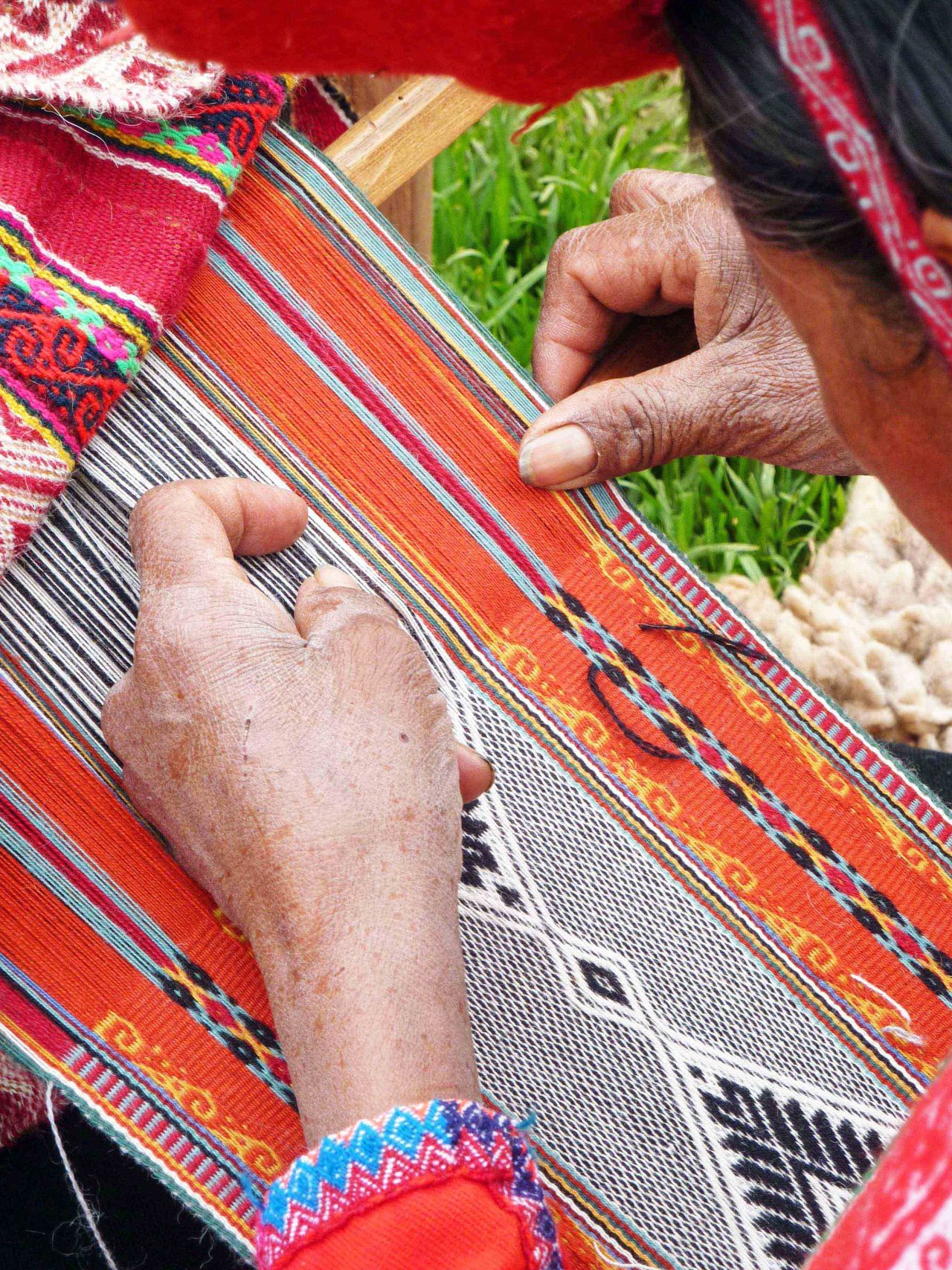
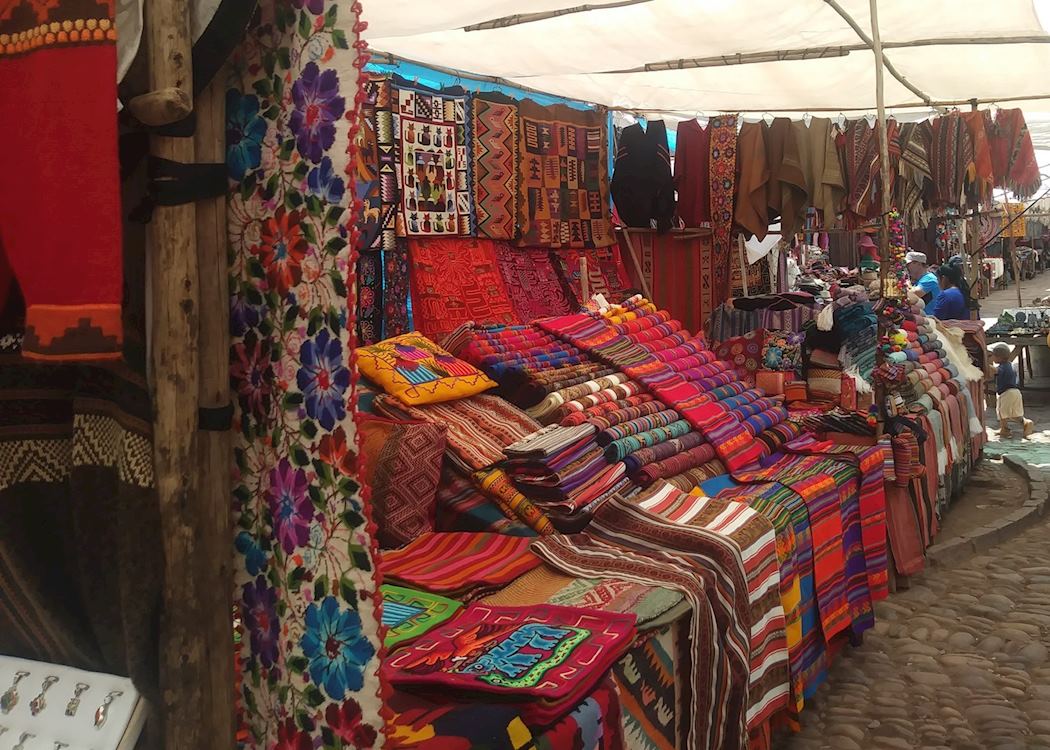
Examine high-quality finished products like shawls and sweaters.
Learn how insects and plants create vibrant colors for wool.
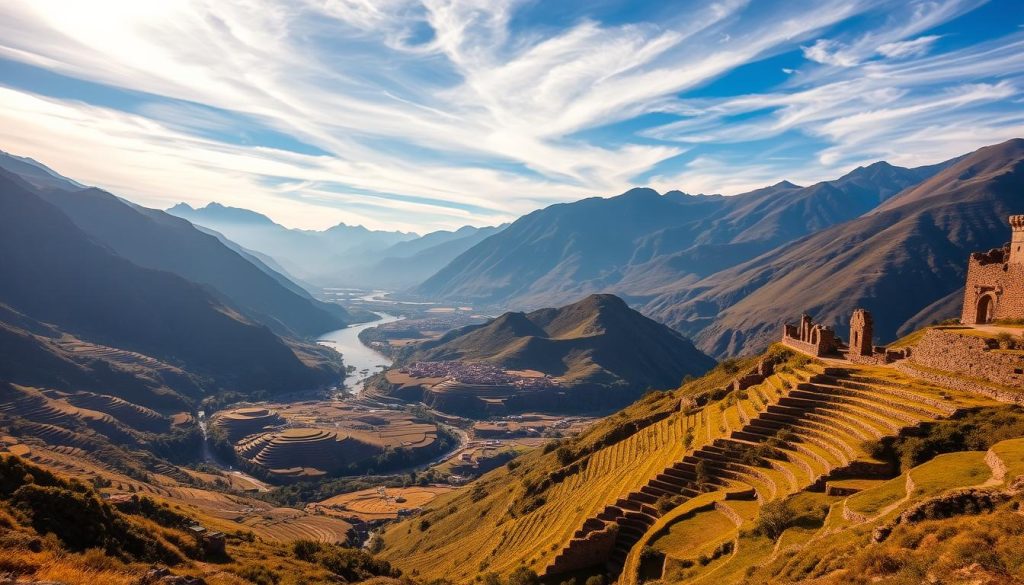
Enjoy expansive views of the surrounding Andean peaks and valley.
Every Weaving Workshop Cusco tour side-by-side — duration, what's included, how you redeem.
| Experience | Duration | Rating | Pickup | Skip-the-line | Guide | Free cancel. | Price | |
|---|---|---|---|---|---|---|---|---|
|
Guided Experience Most popular
Cusco: Sacred Valley Tour with Moray, Maras Salt Mines & Chinchero
|
6 hr 30 min | ★ 4.8 | ✓ | ✓ | ✓ | ✓ | €13 | Book → |
|
Standard Entry
Cusco: Peruvian Cooking Class, Cocktails & San Pedro Market Tour
|
4 hr 10 min | ★ 5.0 | — | — | — | ✓ | $65 | Book → |
|
Standard Entry
Cusco: Interactive Bean-to-Bar Chocolate Workshop at ChocoMuseo
|
2 hr | ★ 4.8 | — | — | — | ✓ | $33 | Book → |
All prices from verified partners. Availability and exact terms confirmed at checkout.
They complement each other; most visitors who do both find that Awana Kancha offers superior convenience, while Chinchero provides a more authentic cultural immersion. Selecting the right weaving workshop cusco tour depends on whether you prioritize proximity or community-led history.
| Feature | Top pick Awana Kancha | Chinchero Centers |
|---|---|---|
Access convenience |
Direct roadside access | Requires village detour |
Camelid interaction |
Up-close llama and alpaca | Limited or none |
Historical context |
Educational interpretive center | Deeply rooted community tradition |
Demonstration style |
Standardized visitor presentation | Traditional communal process |
Shopping atmosphere |
Commercialized retail gallery | Artisan cooperative market |
| See tickets → |
Verdict: Choose Awana Kancha for easy access to camelid viewing, or select Chinchero if you prefer to purchase textiles directly from the weaving workshop cusco community as part of a deeper cultural exploration.
Choose your ticket, select your date, and reserve in under two minutes. Secure checkout handled by our verified partner.
Instant confirmation by email, with a mobile voucher you can save offline. No printing, no queuing at a collection desk.
Arrive at the entrance, show your voucher on your phone, and walk in. Most tickets include priority or skip-the-line access.
Practical details for Weaving Workshop Cusco tickets straight from our verified partners — hours, access, rules, and how to get there.
Km. 23 Pista Cusco-Pisac
Main entry point for visitors
Open in Google MapsFollow the main road from Cusco toward Pisac; the site is well-marked.
Private hire from Cusco city center to Taray.
Casual and modest clothing is recommended for this weaving workshop cusco location. High-altitude sun protection including hats and layers is advised due to the mountain weather.
Standard backpacks are permitted. Security is light, but keep valuables close while observing demonstrations at this weaving workshop cusco venue.
Photography of the weavers and the camelids is encouraged. Respect local artisans by asking before taking close-up portraits at the weaving workshop cusco.
The site is relatively flat and accessible to visitors with limited mobility. Some sections with gravel paths may require assistance for manual wheelchairs.
Mobile phones are permitted throughout the facility. Keep ringtones silent during artisan demonstrations.
This weaving workshop cusco destination is highly suitable for children. Educational animal feeding is often a highlight for younger visitors.
Small snacks are available on-site, but full meals should be planned for Pisac or Cusco. Drink plenty of water to stay hydrated at this altitude.
Pets are generally not permitted inside the animal enclosures for safety reasons. Service animals are accommodated with prior notice.
As a premier weaving workshop cusco, visitors can view traditional Andean textile production firsthand. The center serves as a living museum for four species of South American camelids.
Best time to go, insider tips, nearby landmarks, and the cancellation fine print — flip through to skim what matters to you.
How crowds, weather, and events shift across the year.
Dryer weather makes for comfortable outdoor viewing.
Expect moderate temperatures during the day.
Fewer crowds allow for a more personal experience.
Cooler nights require layered clothing for the high altitude.
Small details that turn a good visit into a great one.
Reach the weaving workshop cusco before 10:30 to beat the tour buses.
Carry small denominations of PEN to support the weaving workshop cusco artisans.
Take it slow and drink water to acclimate at the weaving workshop cusco altitude.
Ask about the difference between alpaca and baby alpaca wool while shopping.
Get photos of the vicuñas when they are grazing in the lower paddock.
Non-bookable sights within a short walk — free to visit, easy to pair.
A vibrant outdoor space famous for local crafts.
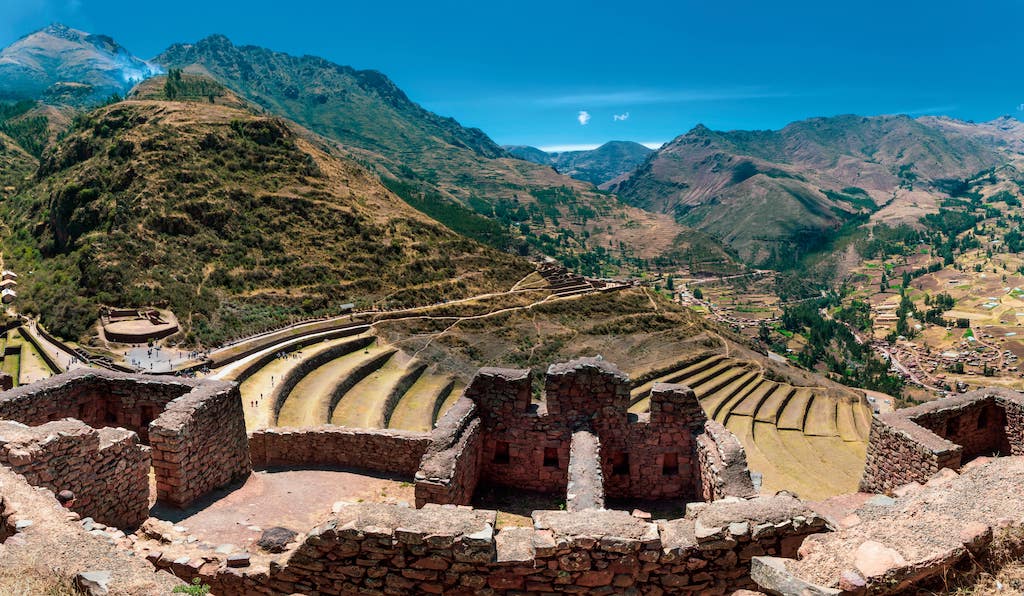
High altitude ruins featuring expansive agricultural terraces.
Flexible, no hidden fees.
Entry is 0 PEN; optional donations are welcome. No cancellation policy applies as there are no advance tickets required.
Hand-picked options within walking distance — pick a district for vibe, or a specific hotel for convenience.
Wide selection of historic boutique hotels.
Charming inns located near the town center.
Upscale retreats focusing on mountain views.
Awana Kancha functions as a vital repository of Andean textile traditions, situated at Km. 23 Pista Cusco-Pisac in Taray. This living exhibition space gathers native communities from across the highlands to demonstrate techniques that predate the Inca empire.
Those attending a Weaving Workshop Cusco immediately encounter the raw materials of this craft. Four species of South American camelids—llamas, alpacas, guanacos, and the highly protected vicuñas—graze in the terraced enclosures. The wool from these animals dictates the texture and durability of the resulting garments. Suri alpacas yield long, silky fibers, while the huacaya breed produces a denser, crimped fleece.
The transformation from raw fiber to spun yarn relies on natural dyes harvested from the surrounding environment. Artisans crush cochineal insects to release a deep carmine red, which shifts to bright purple with the addition of a simple citric acid like lime juice. Other plants, such as the chillca shrub for greens and the tara pod for grays and blues, form a complex botanical palette. Any comprehensive Weaving Workshop Cusco tour emphasizes this chemical alchemy, showing how indigenous weavers boil these organic elements in large copper pots. The resulting skeins dry in the mountain air, fixing the pigments without synthetic mordants.
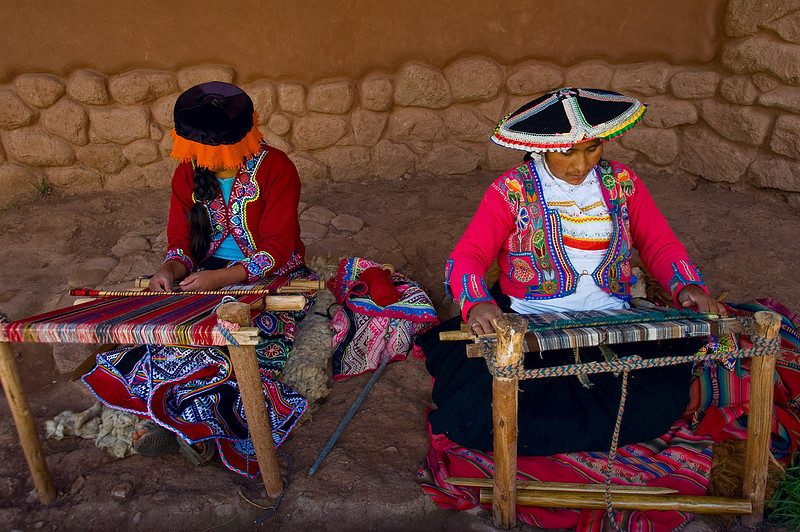
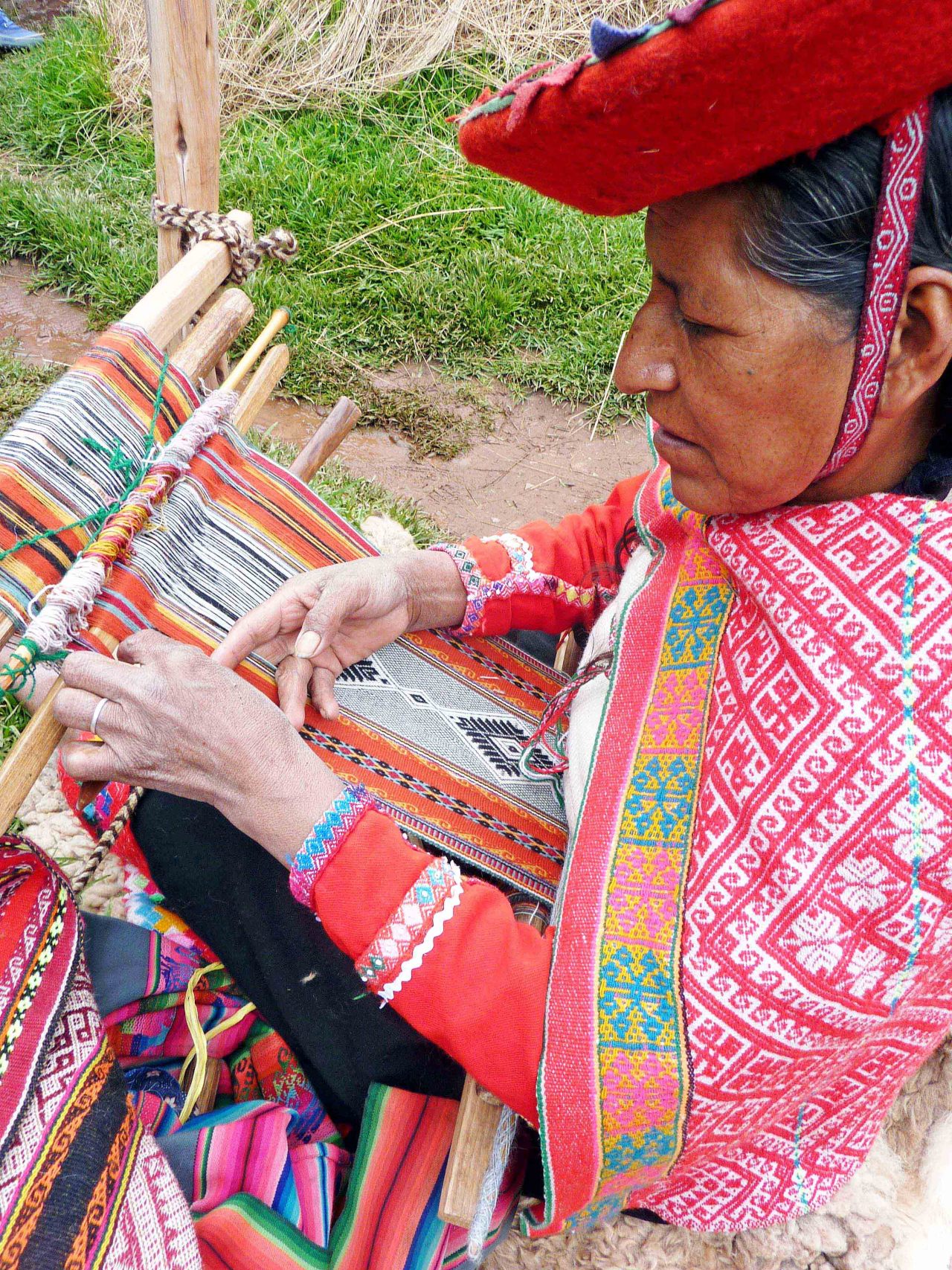
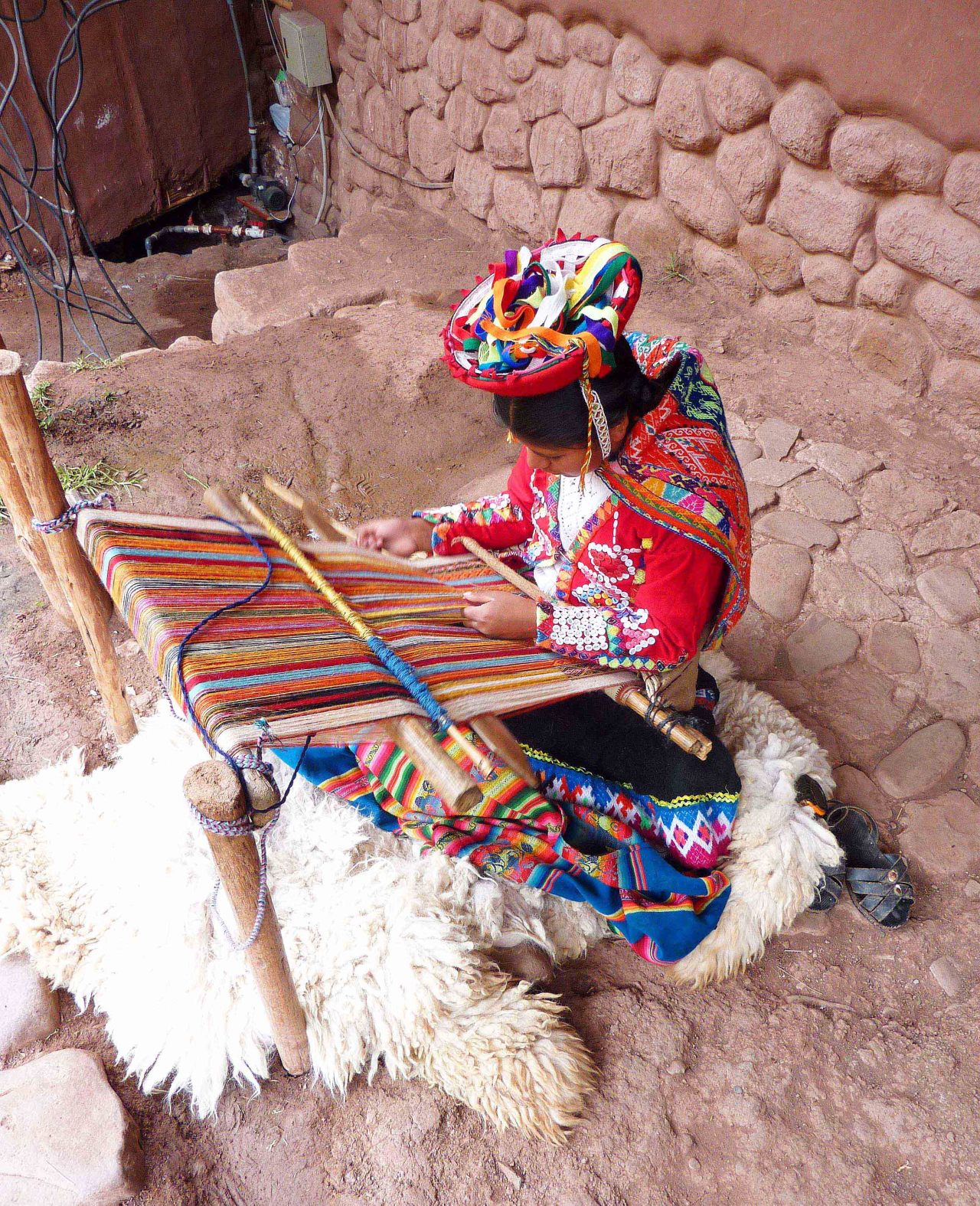
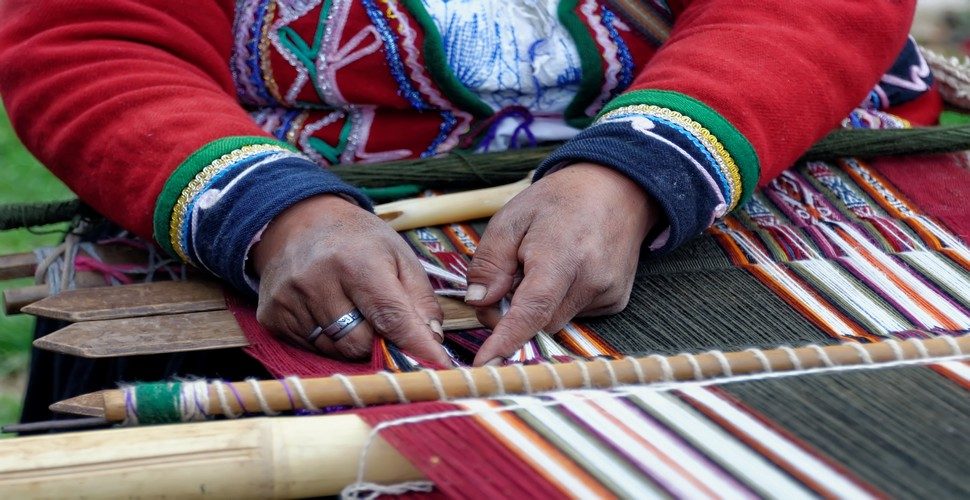
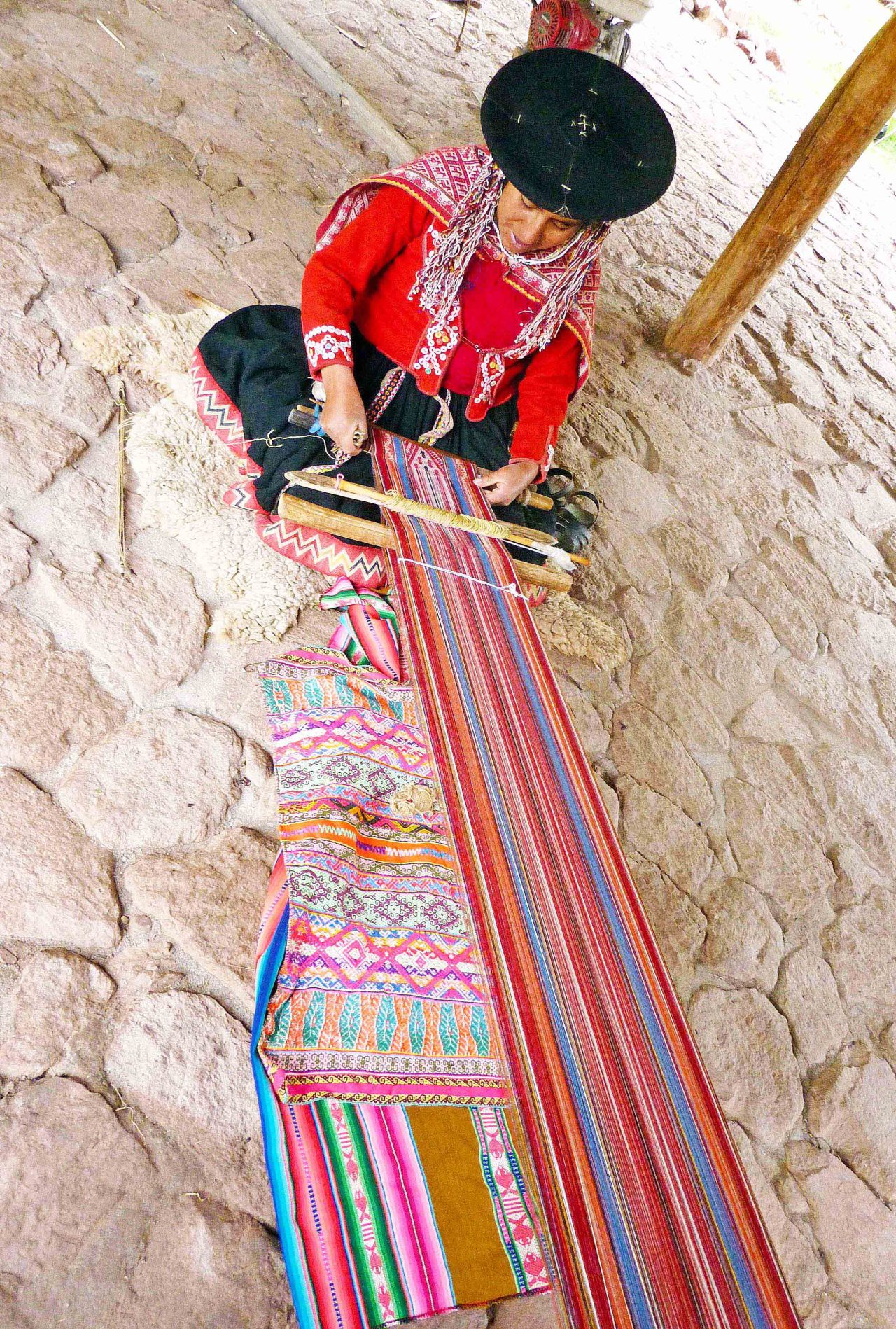
Once the yarn is prepared, the actual construction of the fabric begins on a traditional backstrap loom. This apparatus ties directly around the weaver's waist, anchoring to a fixed wooden post. By leaning forward and backward, the artisan controls the tension of the warp threads. The geometric patterns that emerge—such as the eight-pointed star or the winding river motif—serve as a visual language rather than mere decoration. Each native community brings distinct iconography, allowing trained observers to identify the origin of a poncho or blanket simply by reading its woven symbols. The meticulous insertion of the weft thread requires intense concentration, often taking months to complete a single mantle. Observers watch as carved bone tools compress each row of yarn, creating a dense, weather-resistant textile designed for the harsh high-altitude climate. The complex pallay designs reflect the agricultural cycles, mountain deities, and social structures of the Andean people.
Maintaining these complex techniques requires dedicated spaces where elder master weavers can transfer their knowledge to younger generations. The location in Taray bridges the gap between the urban center and the remote villages of the Sacred Valley. Operating from 08:00–17:30 daily, the center fosters an active dialogue between the artisans and a global audience. Entrance to the grounds operates on a model of 0 PEN, relying instead on optional donations and the direct purchase of finished textiles. By securing Weaving Workshop Cusco tickets for special guided demonstrations, patrons directly fund the continuation of these ancient practices in a rapidly modernizing region.
"The geometric patterns that emerge—such as the eight-pointed star or the winding river motif—serve as a visual language rather than mere decoration."
A step-by-step walkthrough of Weaving Workshop Cusco tickets — what you'll see, how long each stage takes, and the details that matter.
You step off the transport at Km. 23 Pista Cusco-Pisac, aiming for the 08:00–10:30 arrival window to secure a quiet morning before the larger group transports arrive. The cool highland air carries the scent of damp earth and woodsmoke as you enter the Awana Kancha complex.
Your route begins at the open-air enclosures, where you can hand-feed tufts of grass to resident alpacas and llamas. The distinct hum of the guanacos provides a constant background noise as you study the informational placards detailing the fiber grades of each species.
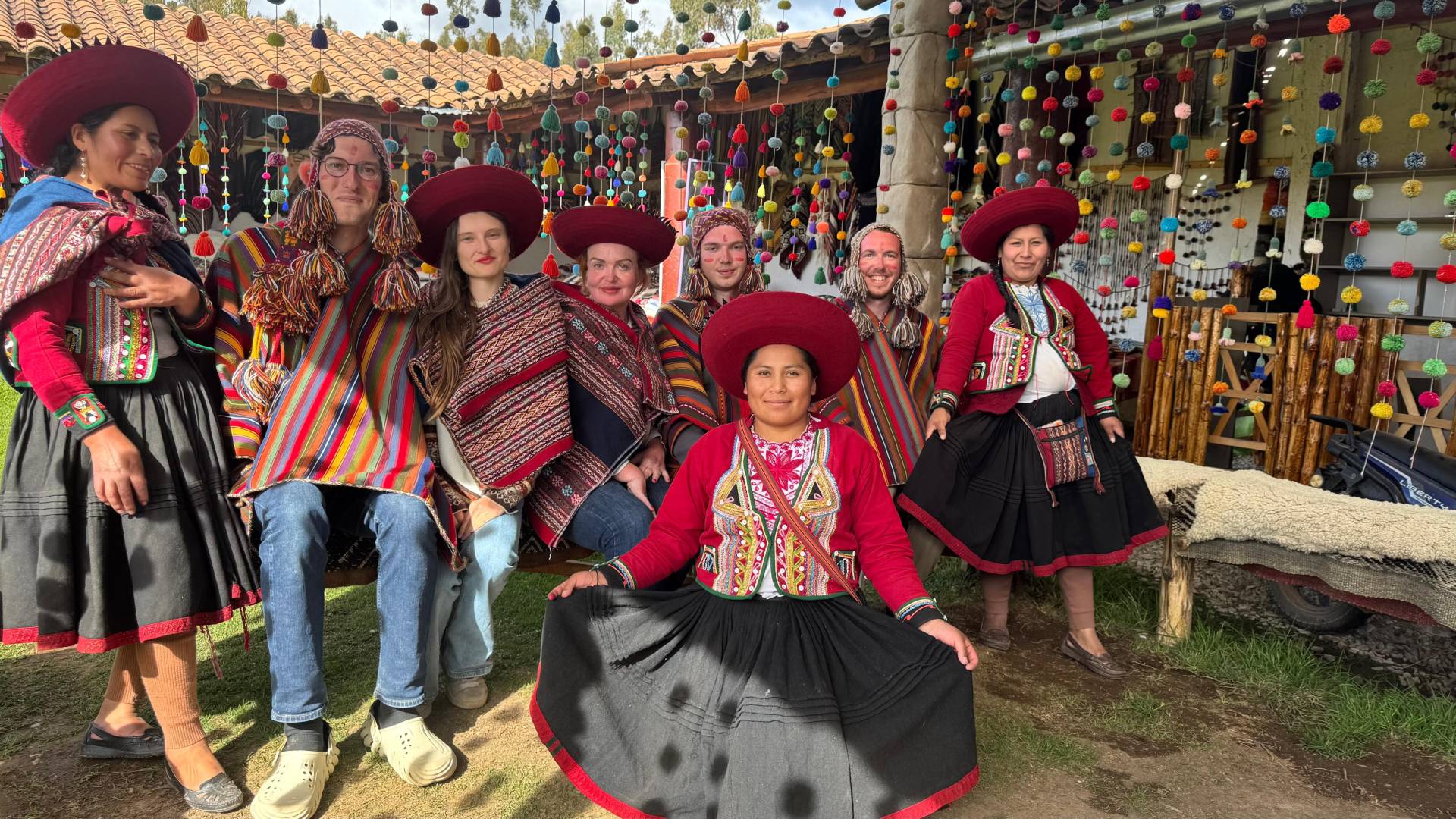
Moving into the covered demonstration area, you find artisans already at work. This is the core of the Weaving Workshop Cusco, where women dressed in traditional wide-brimmed monteras and vibrant polleras sit on woven mats. You watch closely as their hands move with practiced speed, passing the shuttle through the tightly stretched warp threads of a backstrap loom. The rhythmic clacking of the bone weaving tools echoes through the wooden rafters.
At the dye stations, boiling vats emit earthy, herbal aromas. You observe the immediate color transformations when salt or citrus is added to the crushed cochineal. Before concluding your visit, you walk through the cooperative store. Finding the finest textiles produced during these Weaving Workshop Cusco tours, you examine the tight weave and intricate borders of a finished table runner, recognizing the same patterns you just saw being meticulously constructed minutes prior.
The weaving workshop cusco is open daily from 08:00–17:30.
Entrance to the facility is 0 PEN, though optional donations are welcome.
No weaving workshop cusco tickets are required; entry is open to the public.
Yes, the weaving workshop cusco is mostly flat and accessible for visitors with limited mobility.
Photography is encouraged at the weaving workshop cusco for personal use.
Visit between 08:00–10:30 to enjoy the weaving workshop cusco without heavy crowds.
Yes, children are welcome to observe the animals and artisans at this location.
Light snacks are sold, but plan for main meals in Pisac or Cusco.
Yes, small bags are allowed at the weaving workshop cusco but keep them close.
Combine your visit with the Pisac ruins or the local market for a full day of sightseeing.